
Category: Education
-
Harnessing Thermal Expansion: From Interference Fits To Structural Designs.

Thermodynamics Introduction In this post, we are going to cover the topic of thermal expansion and how we account for it and how we use it. What Is Thermal Expansion? Thermal expansion (and contraction) is the result of a temperature change on an object. Some objects are more sensitive to temperature changes. Take for example…
-
Moments

This post explains moments in physics, focusing on their significance in calculations related to rotation and balance. It discusses moments of force (torque) and mass, demonstrating their applications in engineering, aviation, and mechanics. The content clarifies how to compute moments for static systems, balancing objects, and finding centers of mass.
-
Constant Acceleration
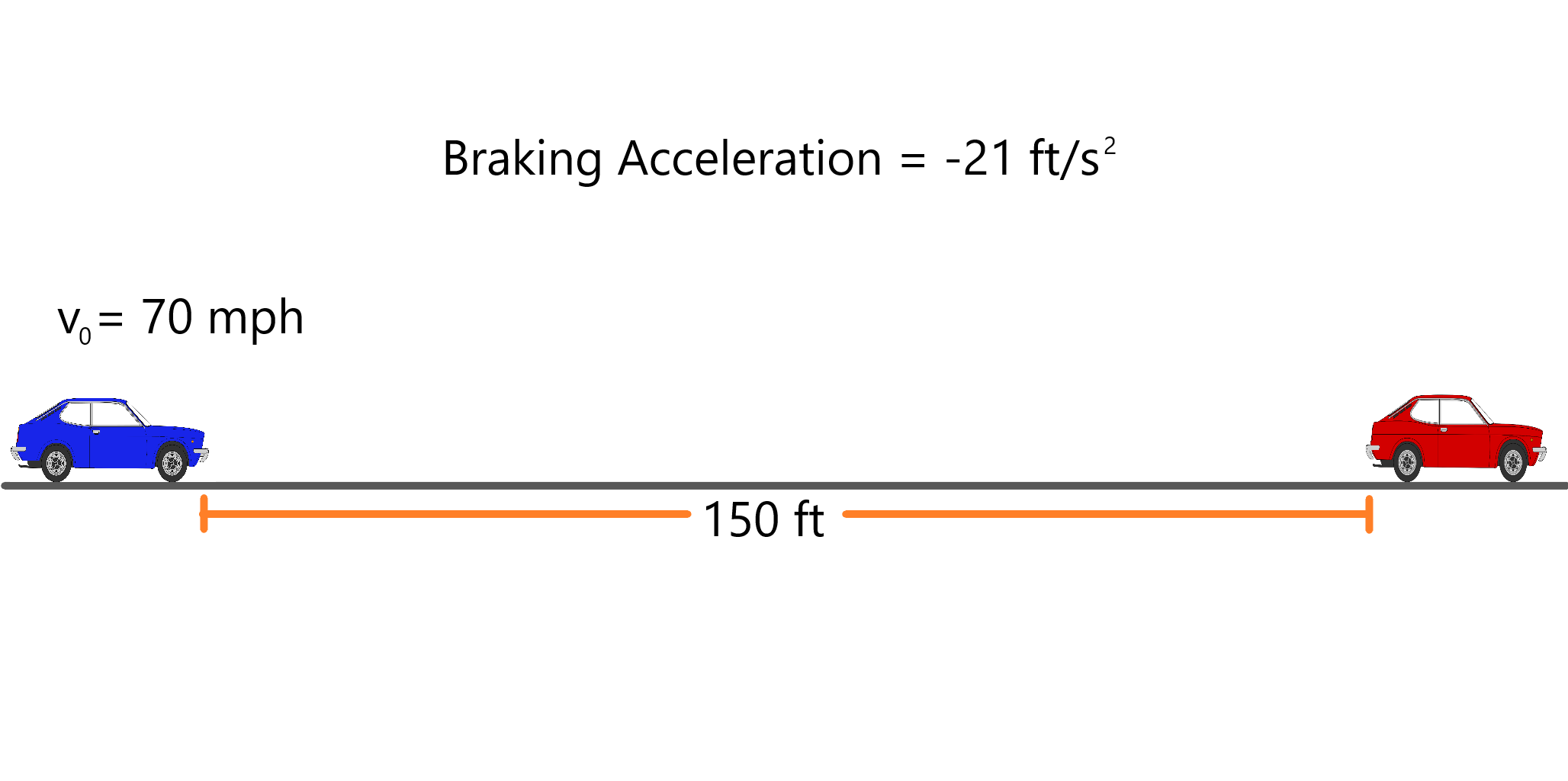
This post explores solving physics problems involving constant acceleration, particularly in free-fall scenarios. It explains constant versus non-constant acceleration using Newton’s Second Law, presents kinematic equations, and includes two practical problems involving falling objects and vehicle braking. The importance of accurate calculations and unit conversions is emphasized throughout.
-
Finding The Right Beam For Your Project
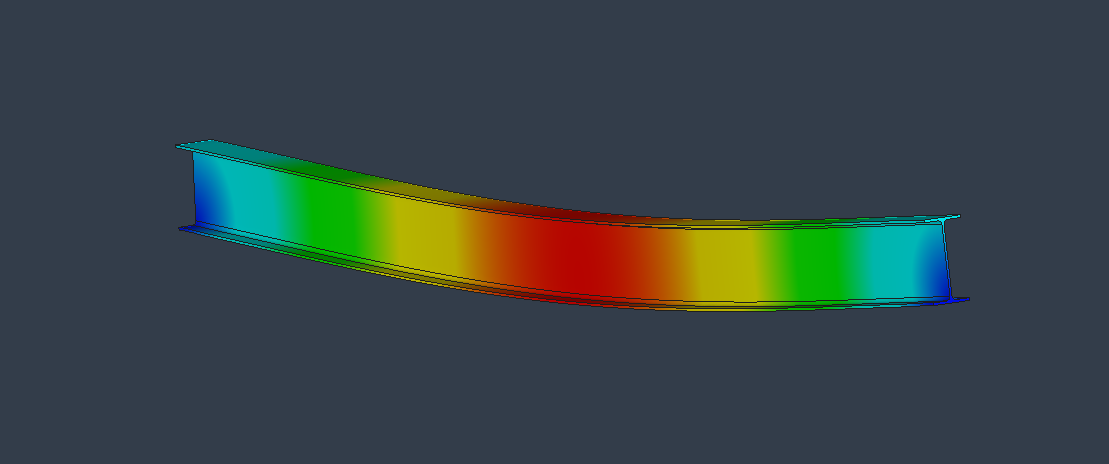
The article discusses the process of selecting an appropriate beam for constructing a gantry crane capable of lifting 6,600 lbs. It explains key concepts such as yield strength, ultimate strength, and safety factors. The author illustrates calculations, including free body diagrams, shear and moment diagrams, and checks for shear stress and deflection, ultimately evaluating beam…
-
Kirchhoff’s Laws in Practice

This post provides a comprehensive guide on solving electrical circuits using Kirchhoff’s Voltage and Current Laws. It emphasizes using a TI-84 Plus calculator for analysis and demonstrates how to set up and solve a system of equations related to currents and voltage drops. It encourages readers to practice independently and verify their results.
-
Kirchhoff’s Current Law
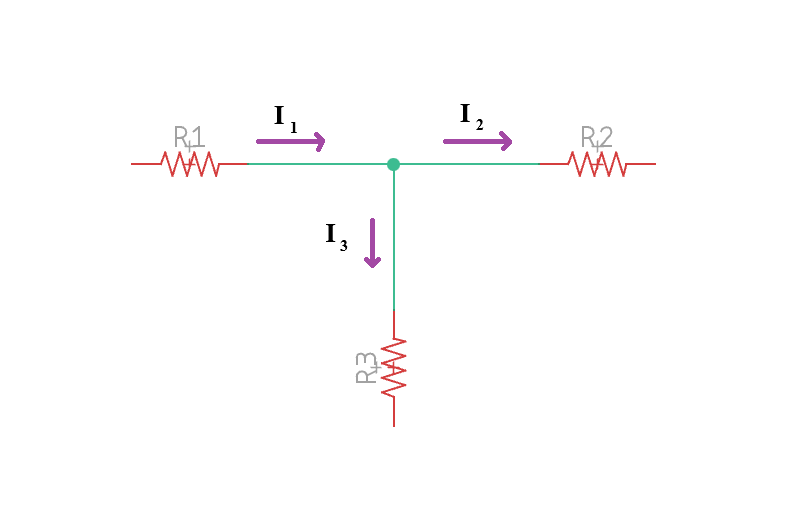
This lesson focuses on Kirchhoff’s Current Law (KCL), which states that the net current at any circuit node is zero. It outlines how to set up KCL problems, including conventions for current direction. The post also discusses the relationship between currents at nodes and introduces upcoming content that will integrate KCL with Kirchhoff’s Voltage Law…
-
Kirchhoff’s Voltage Law

This post explains Kirchhoff’s Voltage Law (KVL) for analyzing DC circuits, emphasizing that the net voltage in any loop must equal zero. It provides steps for circuit evaluation, including calculating voltage across resistors using Ohm’s Law. Clear guidelines on signs and examples enhance understanding of circuit components and current flow.
-
Gravity
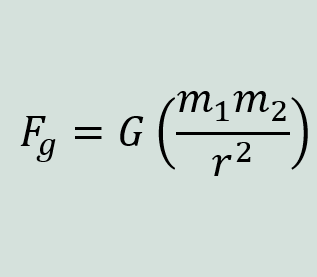
This post examines the fundamentals of gravity, explaining it as a force between masses and how it impacts motion. It introduces Newton’s Laws, gravitational constants, and calculations for gravitational acceleration, showcasing both Earth and International Space Station examples. The significance of escape velocity is also highlighted.
-
Kinetic and Potential Energy

This lesson explains kinetic and potential energy. Kinetic energy is derived from an object’s motion, while potential energy depends on its position and height. Key formulas are presented, illustrating energy conservation in closed systems, such as roller coasters. Real-world examples, including baseballs and bullets, highlight the significance of these energies.
-
Understanding Forces in Physics
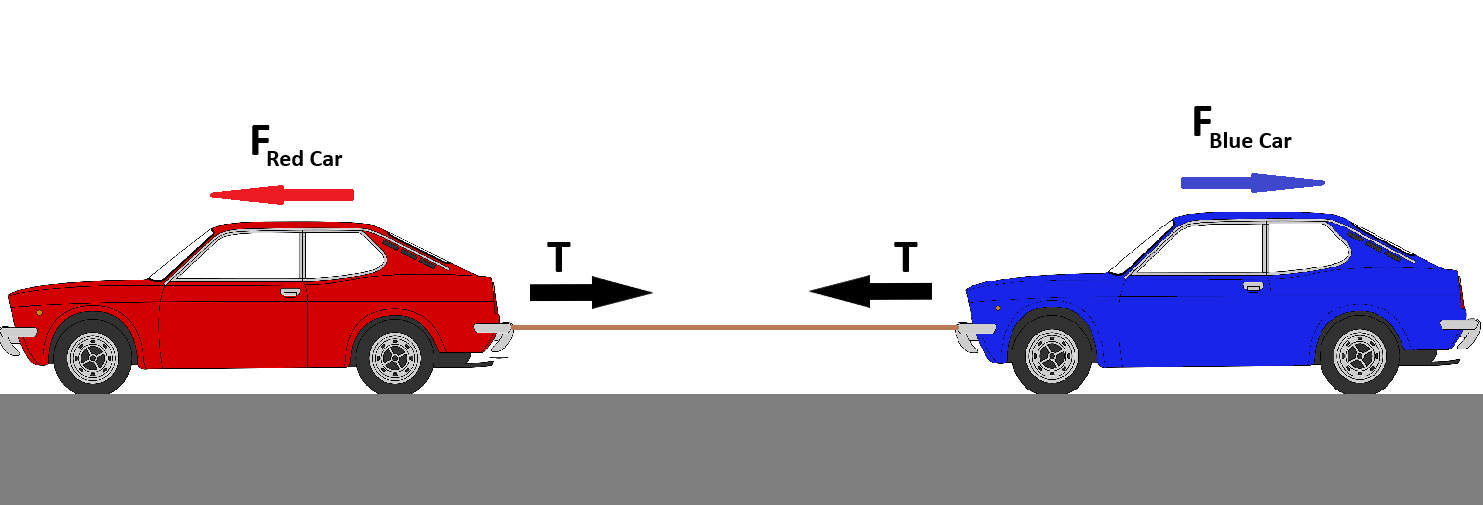
This post discusses the fundamental concept of forces in physics, exploring both contact and non-contact forces, including applied, normal, friction, drag, tension, and spring forces. It emphasizes differences between weight and mass, explains the principles of Newton’s Laws, and highlights practical examples to enhance understanding of how forces interact in various scenarios.