
Category: 3D Printing
-
How Does Infill Percentage Affect Heat Durability of Your 3D Printed Parts?
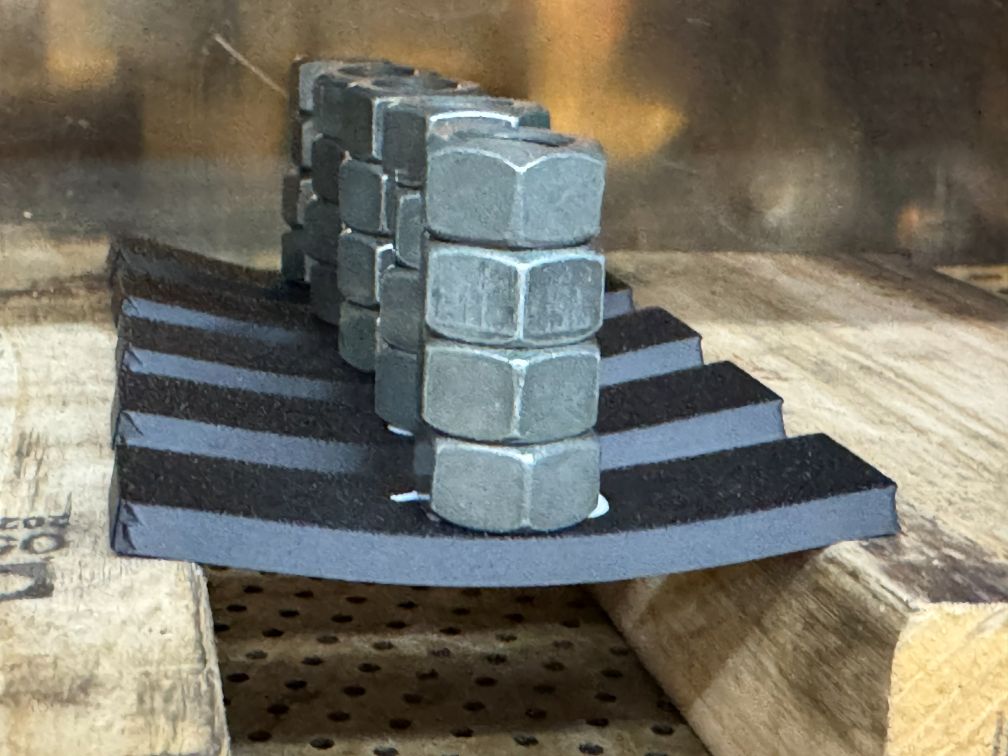
This post examines how the infill percentage affects the durability of 3D printed PLA parts in high temperatures. It conducts tests to measure deflection under heat and load, revealing that while higher infill generally enhances strength, 60% infill offers an optimal strength-to-weight ratio. Outliers were noted, prompting further investigation.
-
When Can You 3D Print a Final Part? (and When You Shouldn’t)

Evaluating 3D-printed plastic components for end-use requires assessing safety, strength, durability, and aesthetics. Never rely on printed parts for direct human or critical machine safety. Optimize strength using high infill for compression and proper layer orientation for tension. Choose task-appropriate filaments—or combine with metal hardware—to ensure long-term functionality.
-
Designing Functional 3D Prints: Practical Hardware Solutions
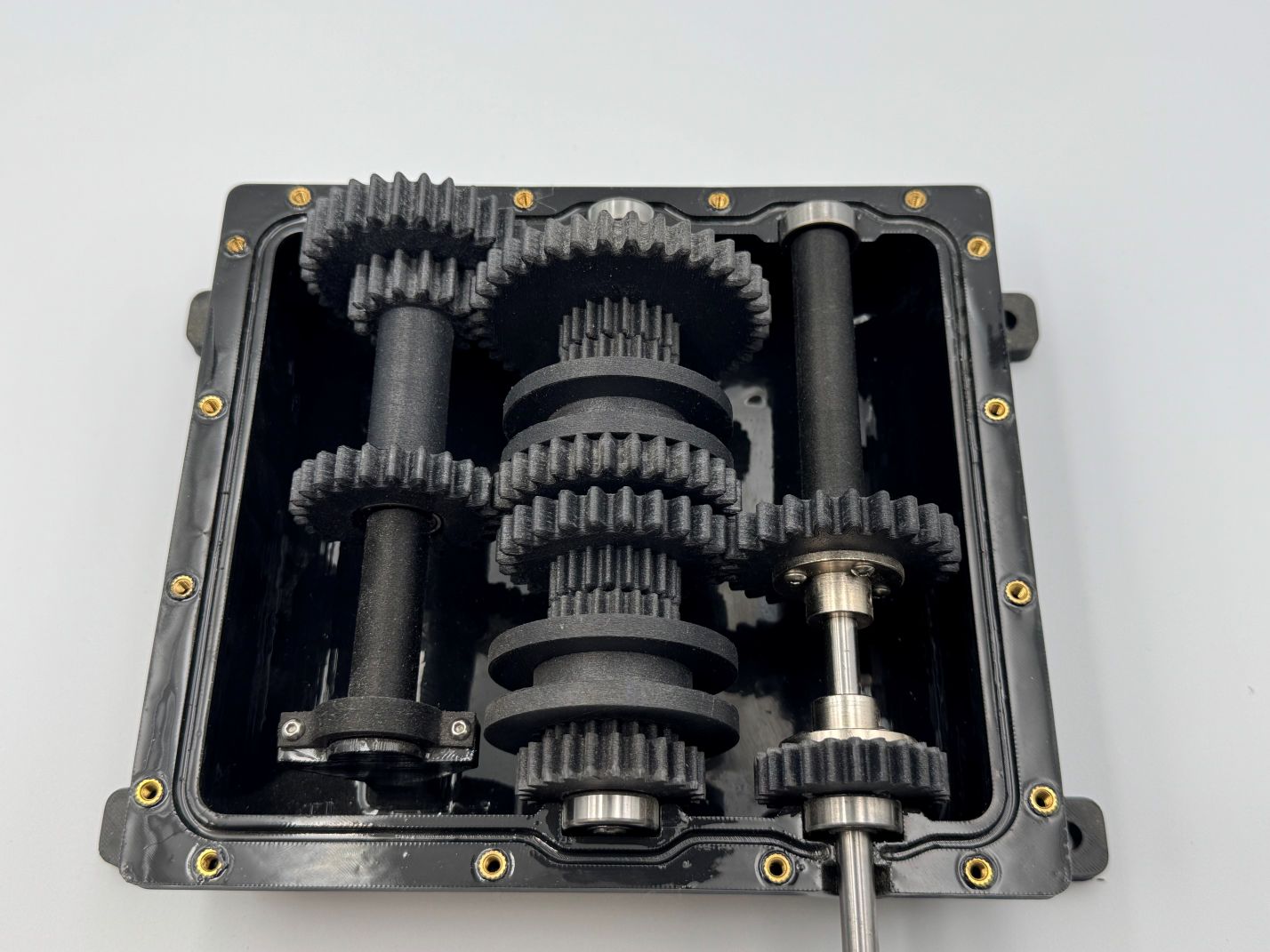
Take your 3D prints beyond pure plastic by integrating metal hardware for lasting durability. This guide covers practical techniques for adding heat-set inserts, compression springs, 608 bearings, axle shafts, and dowel pins to your designs—turning everyday 3D printed parts into functional, smooth-operating, and high-performance mechanical systems.
-
3D Printed Plasma Cutting Guide

This post discusses the use of 3D printing to create cutting guides for plasma cutters, which are essential for achieving precision in metal cutting. It covers essential topics such as understanding plasma cutter operation, measuring kerf, and designing effective guides to minimize heat transfer and ensure accurate cuts, showcasing practical applications and design considerations.