
Tag: Physics
-
Moments

This post explains moments in physics, focusing on their significance in calculations related to rotation and balance. It discusses moments of force (torque) and mass, demonstrating their applications in engineering, aviation, and mechanics. The content clarifies how to compute moments for static systems, balancing objects, and finding centers of mass.
-
Constant Acceleration
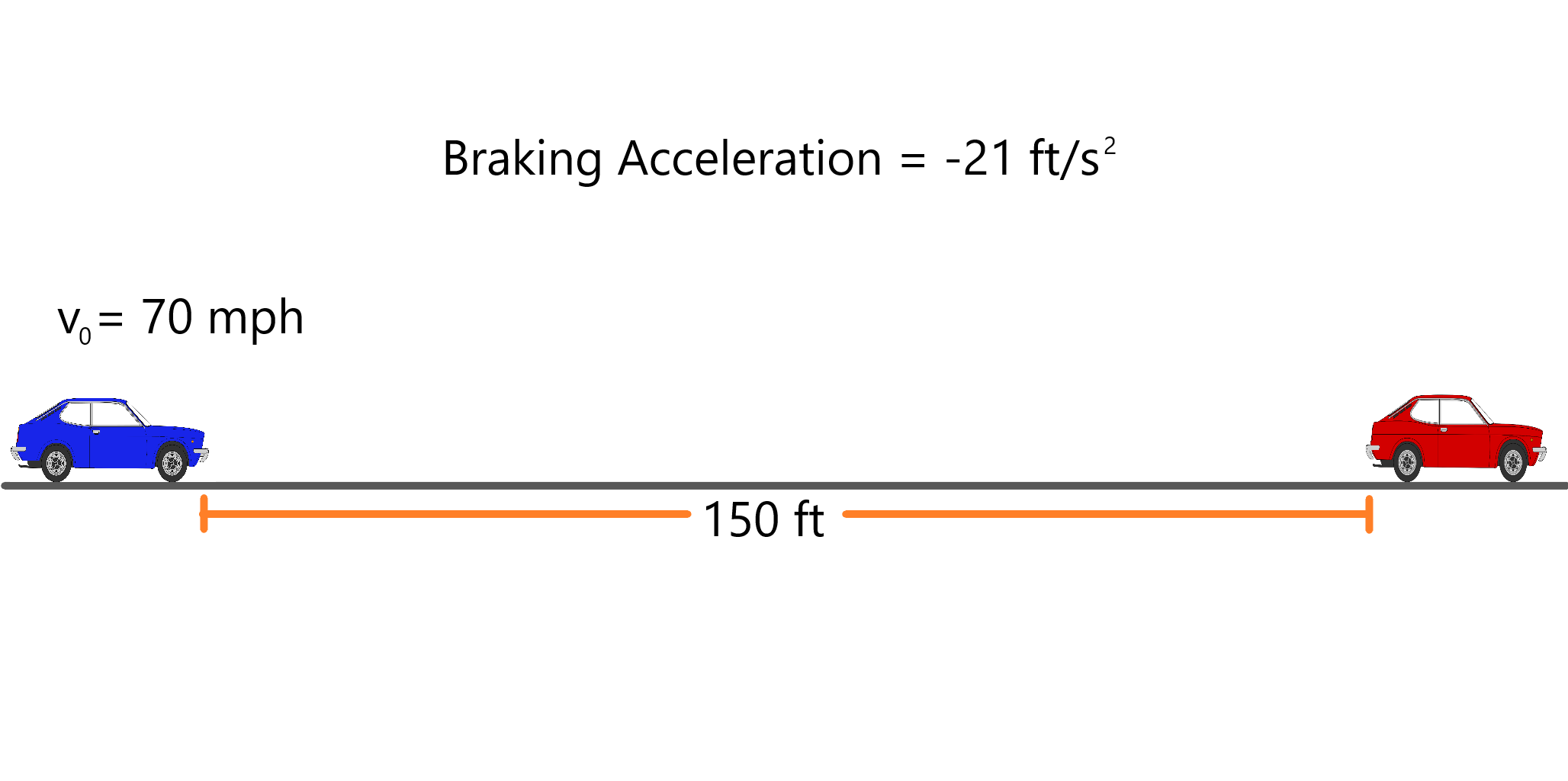
This post explores solving physics problems involving constant acceleration, particularly in free-fall scenarios. It explains constant versus non-constant acceleration using Newton’s Second Law, presents kinematic equations, and includes two practical problems involving falling objects and vehicle braking. The importance of accurate calculations and unit conversions is emphasized throughout.
-
Kinetic and Potential Energy

This lesson explains kinetic and potential energy. Kinetic energy is derived from an object’s motion, while potential energy depends on its position and height. Key formulas are presented, illustrating energy conservation in closed systems, such as roller coasters. Real-world examples, including baseballs and bullets, highlight the significance of these energies.
-
Understanding Forces in Physics
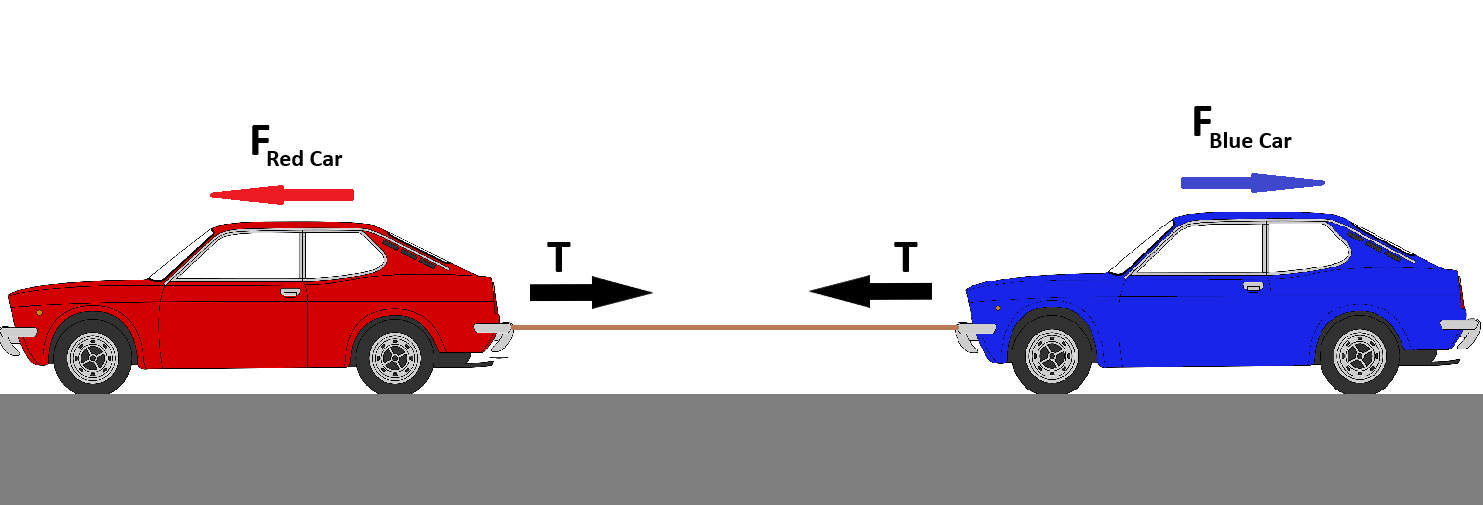
This post discusses the fundamental concept of forces in physics, exploring both contact and non-contact forces, including applied, normal, friction, drag, tension, and spring forces. It emphasizes differences between weight and mass, explains the principles of Newton’s Laws, and highlights practical examples to enhance understanding of how forces interact in various scenarios.
-
Newton’s Laws of Motion
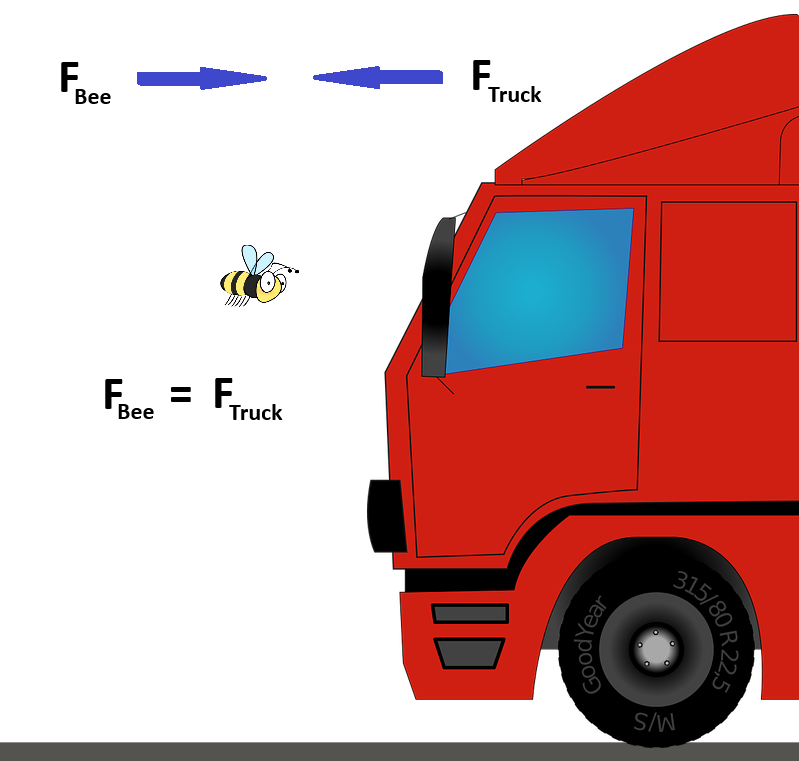
This post covers the basics of Newton’s Laws of Motion and gives visual references. It is intended to be an introduction to the Laws of Motion.