
-
DIY Gantry Crane – Final Assembly

This post details the construction process of a DIY gantry crane, emphasizing the importance of foundational strength, precise alignment, and careful welding techniques. The author shares step-by-step insights into beam assembly, height adjustment mechanisms, and cost analysis, ultimately highlighting significant savings compared to purchasing a commercial crane.
-
DIY Gantry Crane – Prepare for Construction

This post outlines the preparation process for large DIY construction projects, emphasizing careful planning, design finalization, and material handling. It details the importance of accurate measurements, selecting appropriate tools for cutting and welding, and maintaining a functional workspace. Ultimately, it stresses that preparation is crucial for successful project execution.
-
DIY Gantry Crane – Height Adjustment

The post discusses the height adjustment mechanism of a DIY Gantry Crane, including its design challenges. The author made the crane adjustable for versatility but faces synchronization issues with the winches. Despite successfully raising the crane to 10 feet, one winch’s malfunction needs addressing. Future solutions may involve electric systems.
-
Constant Acceleration
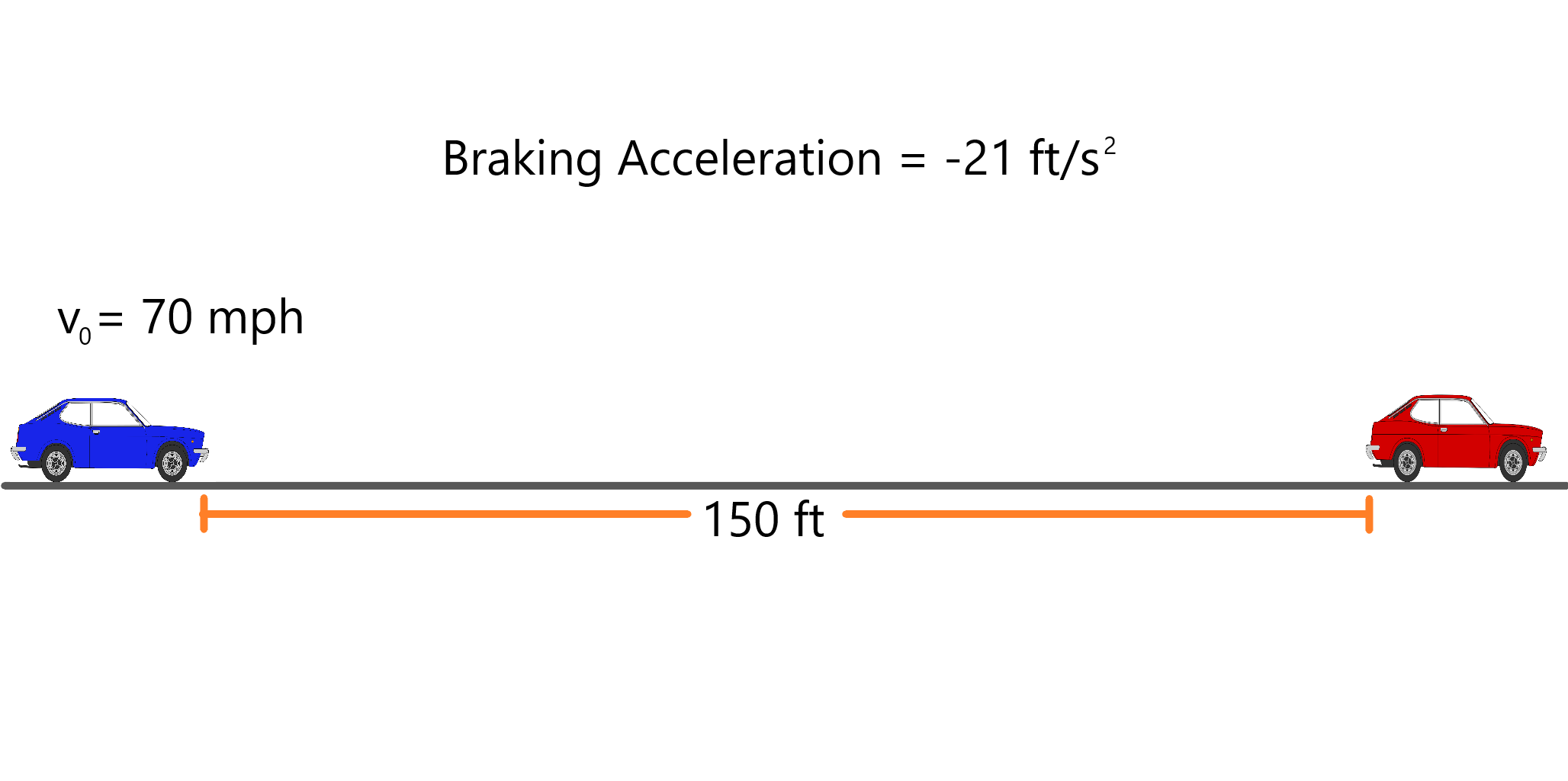
This post explores solving physics problems involving constant acceleration, particularly in free-fall scenarios. It explains constant versus non-constant acceleration using Newton’s Second Law, presents kinematic equations, and includes two practical problems involving falling objects and vehicle braking. The importance of accurate calculations and unit conversions is emphasized throughout.
-
3D Printed Plasma Cutting Guide

This post discusses the use of 3D printing to create cutting guides for plasma cutters, which are essential for achieving precision in metal cutting. It covers essential topics such as understanding plasma cutter operation, measuring kerf, and designing effective guides to minimize heat transfer and ensure accurate cuts, showcasing practical applications and design considerations.
-
DIY Gantry Crane – Design

This post discusses the design of a DIY gantry crane, highlighting key design goals such as a 3-ton lift capacity and adjustable height. It covers beam selection, telescoping uprights, and legs’ design, ultimately focusing on achieving functionality with plans for future upgrades. The design emphasizes efficiency and cost savings over purchasing a commercial crane.
-
Finding The Right Beam For Your Project
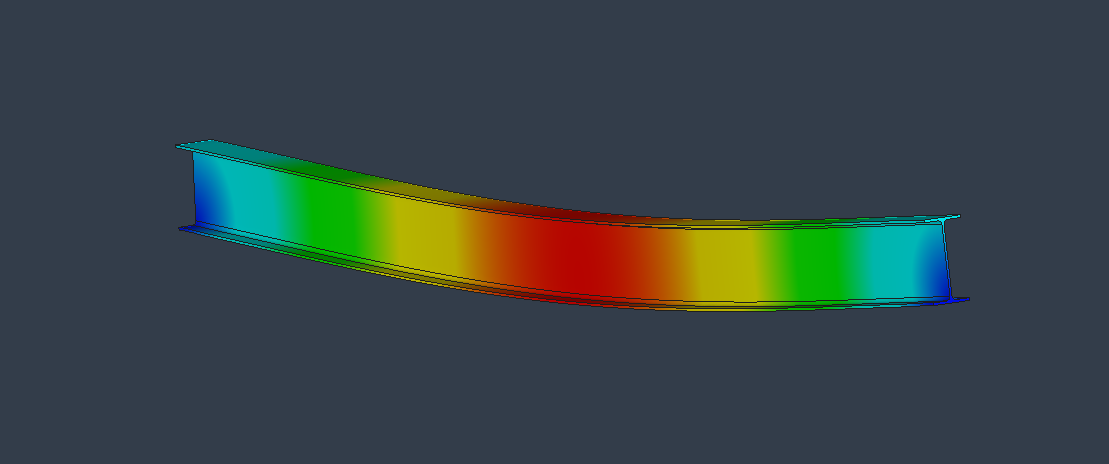
The article discusses the process of selecting an appropriate beam for constructing a gantry crane capable of lifting 6,600 lbs. It explains key concepts such as yield strength, ultimate strength, and safety factors. The author illustrates calculations, including free body diagrams, shear and moment diagrams, and checks for shear stress and deflection, ultimately evaluating beam…
-
What is Thrust?
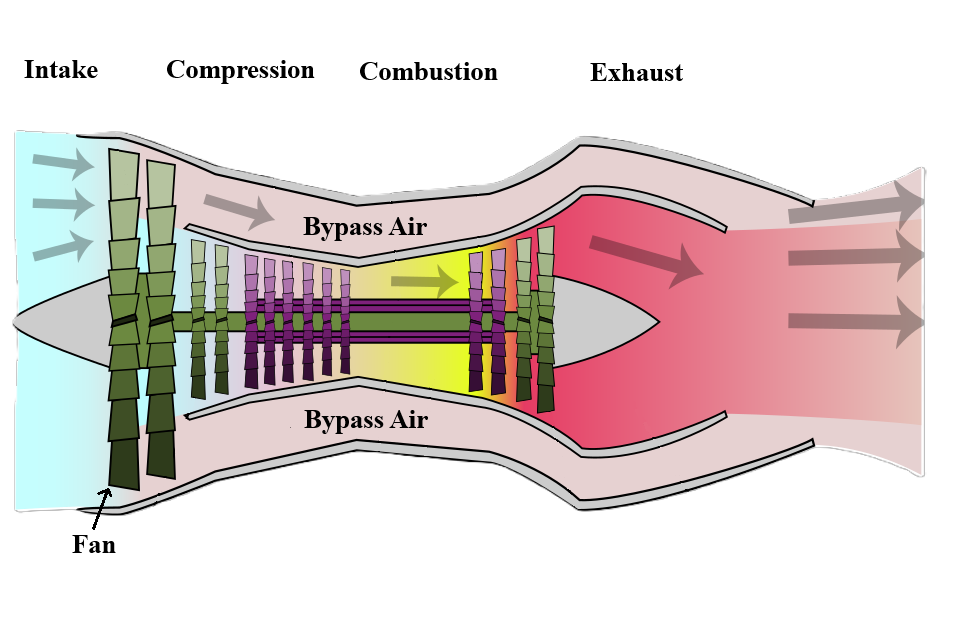
This post explains thrust, a fundamental force in aviation, detailing its creation through the acceleration of air by engines. It debunks misconceptions about thrust mechanics, compares propeller-driven and jet engines, and discusses their efficiency across various speeds and altitudes. The choice between them depends on the aircraft’s purpose.
-
Building a Tank

This post discusses the challenges of designing and constructing a geothermal tank for a mini-split air conditioner condenser. It details the iterative process of tank construction using different materials and techniques, including fiberglass and aluminum, while addressing issues like leaks and insulation for thermal efficiency. Future enhancements are also planned.
-
Kirchhoff’s Laws in Practice

This post provides a comprehensive guide on solving electrical circuits using Kirchhoff’s Voltage and Current Laws. It emphasizes using a TI-84 Plus calculator for analysis and demonstrates how to set up and solve a system of equations related to currents and voltage drops. It encourages readers to practice independently and verify their results.